UK Budget 2026: Relief Today, Growth Tomorrow?
Headline Announcements
- Economic outlook: The OBR forecasts GDP growth of 1.2% in 2026 and 1% in 2027, with a gradual recovery thereafter.
- Cost of living: Around 20 million households in council tax bands A to D will receive a £100 household energy payment this winter. Removing gas standing charges is expected to save around 60% of households an average of £45 a year.
- National Living Wage: The hourly rate for workers aged 21 and over will rise from £12.71 to £13.21.
- Supporting high street: The Small Business Rates Relief threshold for retail, hospitality and leisure businesses will rise from £12,000 to £18,000, taking a further 70,000 businesses out of business rates.
- Bank surcharge: The tax surcharge on bank profits will rise from 3% to 6% for 15 months from January 2027.
- Business investment: The Government will provide £2 billion for a new Energy Wealth Fund, alongside further investment through the National Wealth Fund and British Business Bank.
- Cash ISAs: The Chancellor has reversed plans to reduce the annual cash ISA allowance from £20,000 to £12,000, retaining the full £20,000 limit.
- Defence: The Budget addresses the remaining £4.7 billion funding requirement for the Defence Investment Plan.
Analysis
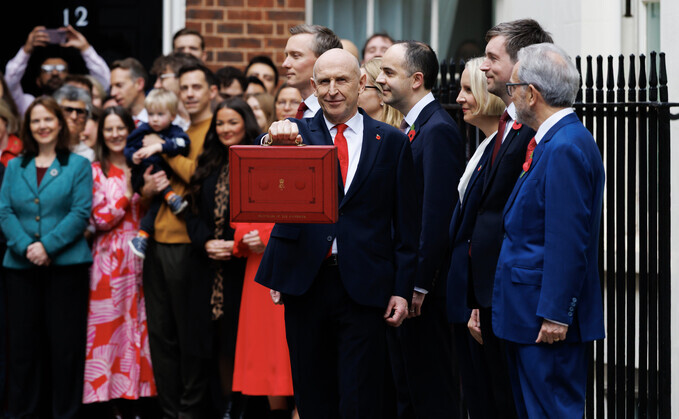
Earlier this afternoon, Chancellor of the Exchequer John Healey delivered the first Budget of the new Burnham administration. After announcing a series of “everyday fixes” earlier in the week, including higher tax-free mileage rates, extended parental pay, and changes to import tariffs on more than 100 products, the Chancellor presented what he called a “Breathing Space Budget” for Britain’s working people. The underlying question is whether immediate relief can translate into stronger economic growth without further straining public finances.
The economic outlook makes that a difficult balancing act. The OBR forecasts growth of just 1% in 2027, before a gradual recovery towards the end of the decade. The Chancellor has used some of last year’s fiscal headroom to absorb the impact of the Middle East conflict and protect household finances. The remaining buffer against the stability rule stands at £15 billion in 2029/30, rising to £22 billion the following year. While this gives the Government some protection against future shocks, weak growth remains a constraint on its ambitions. The Chancellor has bought himself some room to act, but not enough to avoid difficult choices if the economic outlook worsens.
Those choices are particularly evident in the tax settlement. The temporary increase in the bank surcharge will raise the rate from 3% to 6% for 15 months from January 2027, with the proceeds helping fund energy bill support. It provides revenue for immediate household relief but also asks banks to contribute more at a time when the Government wants the UK to remain an attractive destination for financial services investment. The limited duration of the increase may help contain that tension, although it illustrates the difficulty of raising revenue without undermining the investment the Chancellor wants to encourage.
Elsewhere, the Government has avoided increasing the headline rates of Corporation Tax, Income Tax, National Insurance and VAT, while leaving the main rates of Capital Gains Tax (CGT) unchanged. Alongside Founders Relief, which will offer eligible founders and early investors a 10% CGT rate on qualifying lifetime gains of up to £10 million from April 2027, this suggests the Chancellor is keen to maintain incentives for people starting and growing businesses. The package also includes a £5 billion increase in the British Business Bank’s financial capacity to improve access to capital for growing companies. With the Chancellor under pressure to raise revenue, the decision not to increase the main CGT rates is notable. Whether this approach produces additional investment, rather than simply improving the terms available to those already planning it, will be a more meaningful measure of success.
The reversal on cash ISAs reflects a similar tension. Having considered reducing the annual allowance from £20,000 to £12,000 to encourage more people to invest in stocks and shares, the Government has retained the existing limit. This U-turn suggests the Chancellor is wary of pushing savers towards investment at the expense of cash savings. It also highlights a wider challenge for the Government: encouraging more household capital into productive investment isn’t simply a matter of changing tax incentives, especially when savers value the security and accessibility of cash.
For businesses, the Budget attempts to tackle some of the costs holding back investment, particularly high industrial energy prices. The British Industrial Competitiveness Scheme (BICS) is expected to cut electricity bills by up to 25% for more than 10,000 eligible businesses. Extending tariff suspensions across 250 products is expected to save businesses £155 million a year, while the Government aims to reduce administrative burdens by 25%, equivalent to £5.6 billion in annual savings across the economy. These are tangible commitments, but their impact will depend on how widely the benefits are felt. For manufacturers, lower energy costs could make a material difference, but they will not, by themselves, resolve the wider challenge of making the UK more competitive as a place to invest.
The Budget also puts greater emphasis on using public spending to help British businesses develop and commercialise new technologies. The Government is committing £1 billion over 4 years to support innovation clusters, alongside £138 million to procure quantum sensing and positioning technologies and a further £80 million to expand the Sovereign AI Fund’s procurement programme. The proposed Innovation Marketplace, due to launch in spring 2027, aims to make it easier for innovative businesses to sell to public-sector customers. This gives the Government a more active role in creating demand for British innovation, but the longer-term value will depend on whether public contracts help companies win wider commercial opportunities and attract private investment.
Defence funding remains an unresolved issue. Healey resigned as Defence Secretary earlier this year amid concerns about whether available resources can meet the country’s security needs. Today’s Budget fully funds the Defence Investment Plan, including the outstanding £4.7 billion of its £15 billion funding package. However, it does not set out a clear pathway for meeting the Government’s wider commitment to spend 3% of GDP on defence ahead of 2030. The current plan keeps spending at around 2.7% of GDP from 2027/28, while the Government has said it will address the route to higher spending at the next Spending Review. Funding the existing plan provides greater certainty for defence procurement but leaves open how the UK will pay for a further increase. For the Chancellor, who previously argued that the resources being made available were insufficient, this is an important test of how his defence commitments sit alongside the Treasury’s fiscal constraints.
For households, the immediate support comes with a longer-term question about living standards. The National Living Wage will rise to £13.21 an hour, continuing a trend in which minimum pay has risen substantially relative to earnings further up the income scale. Meanwhile, the higher-rate income tax threshold remains frozen at £50,270, narrowing the gap between minimum pay and the point at which higher-rate tax begins. This wage compression raises questions about how the tax system recognises progression at work. Many employers will also struggle to absorb higher wage costs, particularly in sectors with tight margins. The Government’s ambition to lower energy costs through energy-system reform may offer a more lasting answer, but the benefits will take time to reach household bills, other than the one-off £100 payment.
In response, the Conservatives have framed the Budget as a missed opportunity. Leader of the Opposition Kemi Badenoch argued that it failed to match the scale of today’s economic challenge, warning that the tax burden would reach a record high and accusing the Government of prioritising welfare over economic resilience. This puts further pressure on the Chancellor to demonstrate that his approach can deliver stronger growth without further tax increases or borrowing.
Ultimately, the Chancellor’s first Budget seeks to ease immediate pressures while laying the groundwork for stronger growth. Targeted support for households and businesses is accompanied by efforts to encourage private investment and bring new technologies to market. However, with growth forecast to remain weak and fiscal headroom limited, the Government will need to demonstrate that these measures can deliver lasting economic gains. Whether this breathing space becomes a turning point for growth or merely delays tougher choices remains to be seen.